
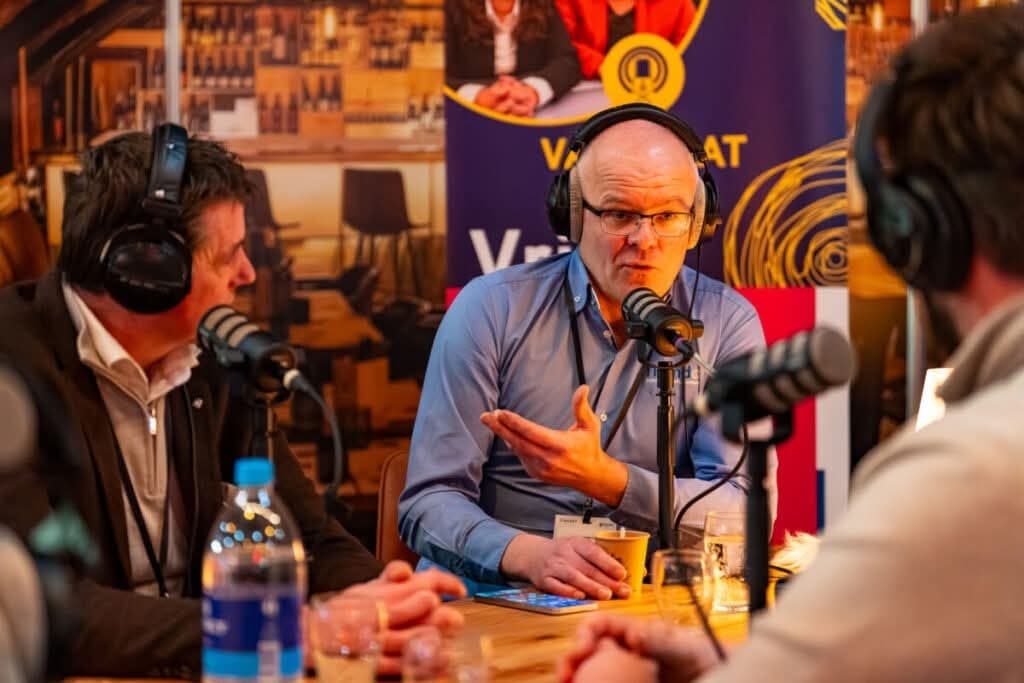
After more than 35 years of running hospitality businesses, John Meijerink knows one thing for certain: staff scheduling can make or break a business. It is not just the menu or the interior that shapes the guest experience, but also who is on the floor and at what time. Ultimately, that also affects the overall health of the business.
“In hospitality, there are three key factors in managing your business: revenue, purchasing, and labour costs. And that last factor, labour costs, is often underestimated.”
Good staff scheduling creates peace of mind: for the owner, for the team, and ultimately for the guest. “When employees know what to expect and are not consistently overloaded, they enjoy their work much more. You can see that immediately on the floor.”
Excel as a starting point for many hospitality businesses
For many hospitality entrepreneurs, staff scheduling starts very simply: first on paper and then in Excel. According to John, that makes perfect sense.
“Excel is accessible, clear, and easy to start using right away. In one schedule, you can see who works when and what that means in terms of hours and costs. Especially for smaller teams or fixed rosters, it works really well.”
Excel provides structure without becoming complicated. It is flexible to set up, everyone can work with it, and as long as the schedule is carefully maintained, it is a reasonably reliable solution for many hospitality businesses.
With that in mind, John developed an Excel sheet more than 10 years ago to organise his own scheduling. “The simpler the system, the better it works in practice,” says John.
Where Excel reaches its limits in hospitality
Even so, Excel has clear limitations. Especially during busy periods, mistakes can easily slip in. Sick calls, shift swaps, or multiple people working on the same schedule can quickly lead to confusion. Different versions get mixed up, and small changes often have a bigger impact than expected.
“Excel doesn’t warn you.”
“Last-minute changes, dozens of messages about availability, or employees being scheduled when they are not available are part of daily reality,” says John. “That can lead to stress on the floor, higher labour costs, and frustration within the team. Excel can work, but it requires constant attention and discipline.”
From a practical problem to a digital solution
It was exactly this day-to-day reality that led John to develop Tiemdo.
“For years, I kept running into the same problems myself: unclear schedules, last-minute changes, and too little control over hours and costs. I felt staff scheduling had to be easier, more reliable, and more affordable.”
Tiemdo was built from practical experience, not just from theory. The software system provides a clear overview, takes availability into account, and makes changes instantly visible to the entire team.
Real-time insight into hours and costs
An important difference lies in time tracking. While Excel and loose notes only provide insight afterwards, online time tracking offers continuous visibility.
“I can immediately see my employees’ plus and minus hours and understand what that means for my labour costs,” says John. “That allows you to make adjustments in time and avoid discussions afterwards.”
According to him, this not only reduces administration, but above all creates more peace of mind. “Employees know what to expect, and as an owner you stay in control of your business.”
Good scheduling is something you feel every day
Whether it is done with Excel or with a digital system, the core remains the same. Staff scheduling is the backbone of a well-run hospitality business.
“You notice bad scheduling immediately,” John concludes. “But good scheduling is visible every single day. On the floor, within the team, and on the bottom line.”
John Meijerink
Restaurateur, Paviljoen Lutterzand
Co-owner, Tiemdo Staff Scheduling
Staff scheduling in hospitality does not have to be difficult or expensive. Many businesses start with Excel, and that is perfectly fine. For that reason, Tiemdo has developed a free Excel sheet for staff scheduling in hospitality.
Looking for more overview and fewer mistakes? Then digital scheduling is the logical next step. With Tiemdo, you can start scheduling from just €1.00 per employee — simple, clear, and easy to use.